custom printed apparel
Eco‑Friendly Custom Apparel: A Practical Guide for Australian Small Businesses
- custom printed apparel
- eco-friendly
- screen printing
- DTG
- embroidery
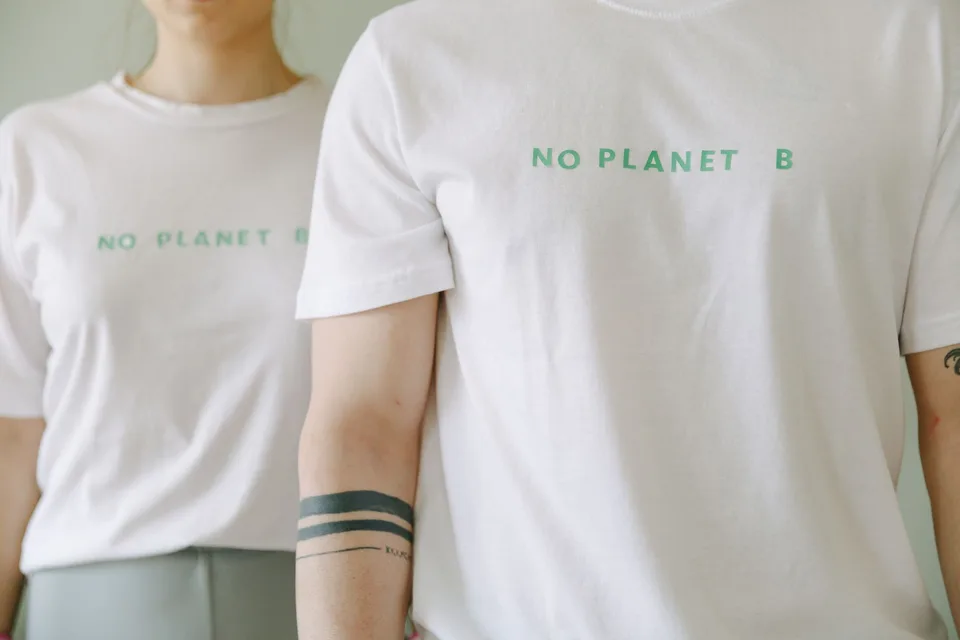
Start with a Sustainable Fabric Choice
The first concrete step toward greener custom printed apparel is to select a fabric that is certified organic or made from recycled fibres. For example, choose 100% organic cotton t‑shirts that carry the GOTS (Global Organic Textile Standard) label, or opt for recycled polyester hoodies that use post‑consumer plastic bottles. Visit your local fabric supplier or search online for “GOTS certified t‑shirt Australia” and order a single sample swatch today. This hands‑on test lets you feel the weight, check the colour fastness and verify the certification before committing to a larger run.
Pick the Right Print Method for Minimal Waste
Each printing technique generates a different amount of waste and energy use. Use this decision‑tree tactic: If your design has ≤ 3 colours and you need a large run (100+ pieces), start with water‑based screen printing – it uses less ink and the screens can be reclaimed. If you have a full‑colour photo or gradient and a smaller run (under 50 pieces), choose Direct‑to‑Garment (DTG) with eco‑ink – it prints directly onto the garment without set‑up screens, reducing material waste. If you want a premium, long‑lasting logo on workwear or caps, go for embroidery using biodegradable thread. A quick first step: create a simple spreadsheet listing your design colours, expected quantity and garment type, then match it against the three options above. This visual guide helps you justify the most sustainable choice to your committee or board.
Prepare Artwork That Reduces Re‑Runs
Incorrect file setup is a common cause of wasted prints. Follow this three‑step file‑prep tactic: 1. Open your design in Adobe Illustrator (or the free Inkscape) and set the colour mode to CMYK. 2. Convert all text to outlines and ensure every vector line is at least 0.25 mm thick for screen printing, or 300 dpi rasterised for DTG. 3. Export a PDF/X‑4 file and attach a separate PNG preview for the printer to double‑check. Send this package to your chosen printer and ask for a digital proof before any fabric is cut. The first actionable item: open your design file tonight and run the “Check for Over‑Print” script (many plugins offer a one‑click audit). This prevents costly re‑runs and keeps your budget on track.
Order the Right Quantity and Budget Wisely
Ordering only what you need is the simplest way to cut waste, and Creative Factory Labs has no minimum order, so you never have to round up to a printer's threshold. Use a quick batch-size check: - Count your event attendance or staff headcount (for example, 38 volunteers). - Add a 10% buffer for size swaps (about 4 extra). - Order that total: 42 pieces, not a padded minimum. First step: make a Google Sheet with columns for Headcount, Size Buffer and Final Order, fill it in today and share it with your finance officer.
Plan Lead Times and Size Runs to Avoid Rush Fees
Eco‑friendly production often requires extra time for fabric sourcing and low‑impact inks. Use the “timeline reverse‑engineer” tactic: 1. Identify your event or launch date. 2. Count back 4 weeks for fabric delivery, 2 weeks for screen‑setup or DTG prep, and 1 week for final quality check. 3. Add a 5‑day buffer for unforeseen delays (e.g., customs hold on recycled polyester). Mark the final “order‑by” date on your calendar and email the printer with that deadline today. This proactive approach eliminates last‑minute rush fees and gives the printer time to use their most efficient, low‑energy production runs.
Integrate Eco‑Packaging and Shipping
The garment itself is only part of the sustainability story. Adopt a “green packaging kit” tactic: - Request that the printer uses 100 % recycled cardboard boxes and biodegradable tape. - Add a reusable cloth bag (made from leftover fabric scraps) for each order of 20 + items. - Choose a carbon‑neutral courier service for delivery. First step: call your favourite local courier and ask if they offer a “carbon offset” option for small business shipments. Record the answer and include it in your order brief.
Showcase Your Eco Commitment with Storytelling
When you launch the swag, pair each item with a short tag line that explains the sustainable choice – for example, “Made from 100 % recycled plastic bottles”. Use this narrative on your website, social media and at the event. A practical first step: draft a 50‑word description for each product and schedule it in your content calendar this week. This not only educates your audience but also boosts SEO for keywords like “custom printed apparel”.
Partner with a Local Eco‑Focused Printer
Choosing a printer that shares your values reduces carbon travel and supports the Australian economy. Use the “local‑printer audit” tactic: - Search for printers within 150 km of your base. - Ask them to provide evidence of water‑based inks, energy‑efficient machines and waste‑recycling programmes. - Request a small “sample batch” (e.g., 5 shirts) to test colour accuracy and fabric feel. First action: compile a list of three nearby printers and email each with the three audit questions today. When you’ve selected a partner, you can link to their portfolio for credibility – see our own examples at our work and learn how we handle eco‑printing.
Creative Factory Labs – Your Eco‑Printing Ally
At Creative Factory Labs we specialise in helping Australian small businesses, clubs and event organisers bring eco‑friendly custom printed apparel to life. Our studio offers water‑based screen printing, low‑impact DTG and biodegradable embroidery thread, all sourced from certified sustainable suppliers. We work with you from concept to delivery, ensuring every step – fabric selection, artwork prep, packaging – meets strict environmental standards. Get in touch via our contact page to start a zero‑waste swag project today.
FAQ
What is the most eco‑friendly print method for a small run?
For runs under 50 pieces, DTG with water‑based ink usually has the lowest environmental impact because it avoids screen set‑up waste and uses less water.
Can I use recycled polyester for screen‑printed tees?
Yes – many screen printers accept recycled polyester blends. Just confirm the ink compatibility and request a test swatch before the full order.
How do I calculate the right size mix for my team?
Survey your members or staff using a quick online form, tally the responses, then add a 5‑10 % buffer for growth or size variations. This data‑driven approach reduces excess inventory.
What packaging options are truly compostable?
Look for 100 % recycled cardboard boxes certified to Australian Standard AS 4586, and plant‑based kraft tape. Pair them with a reusable cloth bag made from leftover fabric scraps for a zero‑waste presentation.